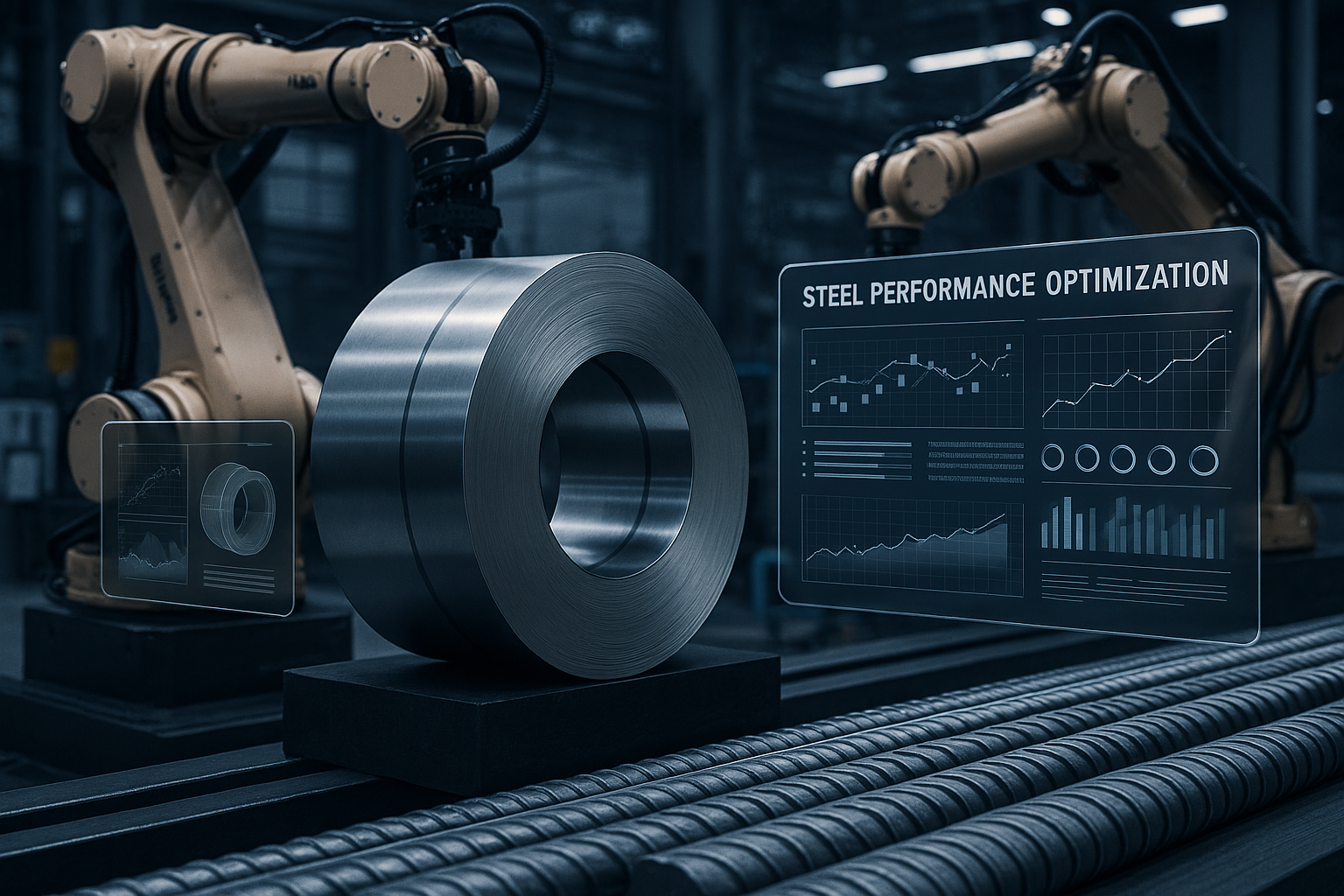
Improving Steel Performance: Techniques to Optimize the Production Chain

Steel remains the backbone of modern industry, powering everything from automotive production and civil infrastructure to agricultural equipment and consumer goods. As global pressure mounts to reduce costs, increase mechanical performance, and meet strict environmental regulations, manufacturers and distributors are investing in smarter ways to optimize steel performance throughout the entire production chain. This guide … Read more

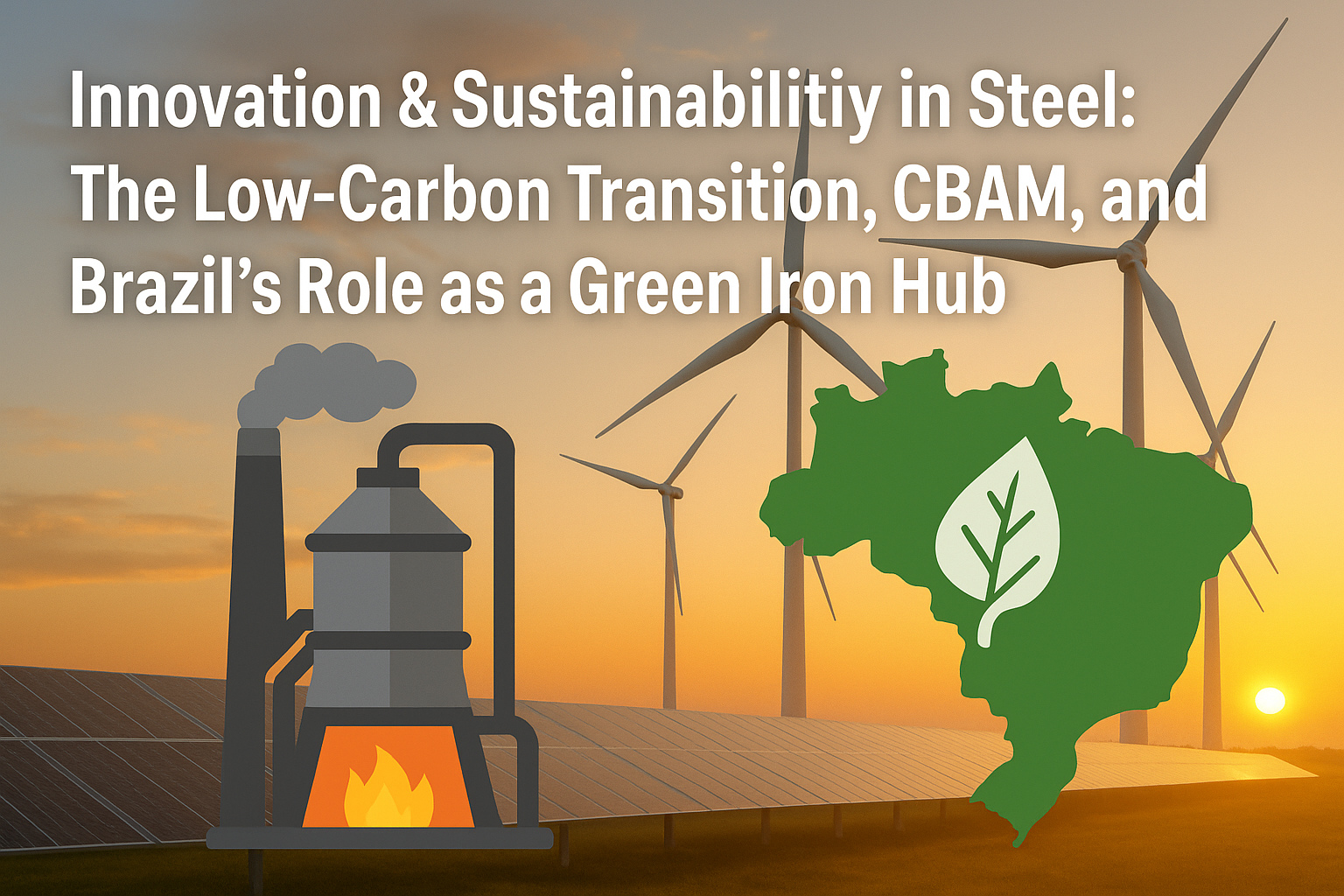
Innovation & Sustainability in Steel: The Low-Carbon Transition, CBAM, and Brazil’s Role as a Green Iron Hub

The global steel industry is at the center of the low-carbon transition, facing unprecedented regulatory and market pressures. The European Union’s Carbon Border Adjustment Mechanism (CBAM) is reshaping trade flows and compliance requirements. Brazil is uniquely positioned to become a hub for green iron, leveraging renewable energy and rich mineral resources. Hydrogen-based technologies, scrap recycling, … Read more

How Lean Manufacturing Principles Boost Efficiency in Steel Plants

Lean manufacturing is a production philosophy focused on maximizing value for the customer while minimizing waste. Developed originally in the automotive industry, especially by Toyota, lean principles have since been adapted across heavy industries—including steel manufacturing. In the steel industry, where margins can be tight and downtime is costly, applying lean manufacturing allows companies to … Read more

How Equipment Lifecycle Management Enhances Efficiency in Steel Plants

Steel production is built on massive, high-value machinery: blast furnaces, electric arc furnaces, casting lines, rolling mills, and heavy-duty motors. These assets represent enormous capital investment and are central to continuous operations. Any downtime can result in costly production delays, safety incidents, or quality issues. This is why Equipment Lifecycle Management (ELM) is crucial. Instead … Read more

How Real-Time Data Monitoring Is Improving Steel Plant Operations

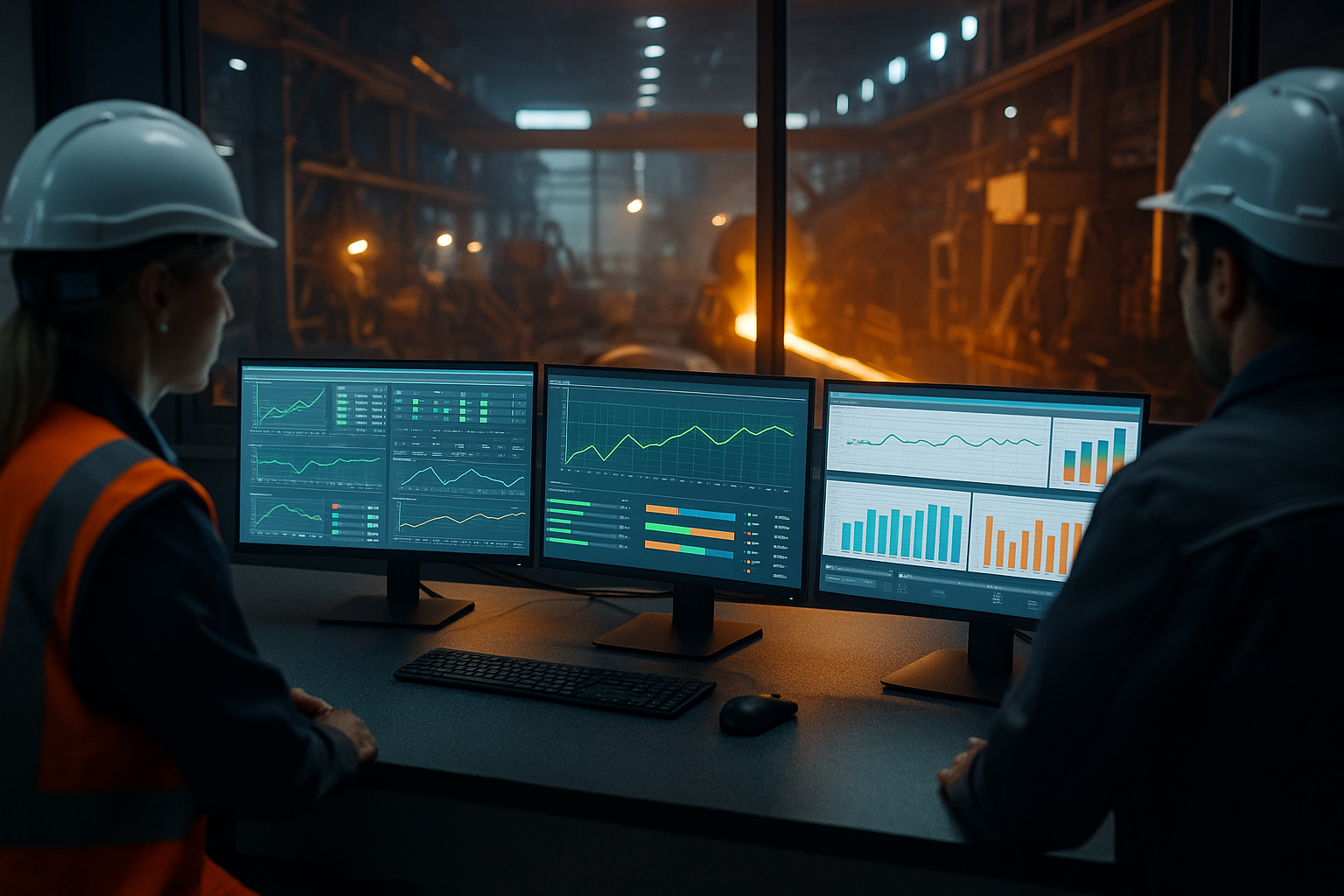
Steel production is a continuous and complex process, with multiple variables influencing product quality, energy consumption, equipment reliability, and worker safety. Historically, many steel plants relied on batch reports or manual logs to track performance. Today, that’s no longer sufficient. Real-time data monitoring transforms how steel plants operate—providing immediate visibility into every aspect of production. … Read more

How Process Automation Improves Quality and Consistency in Steel Production

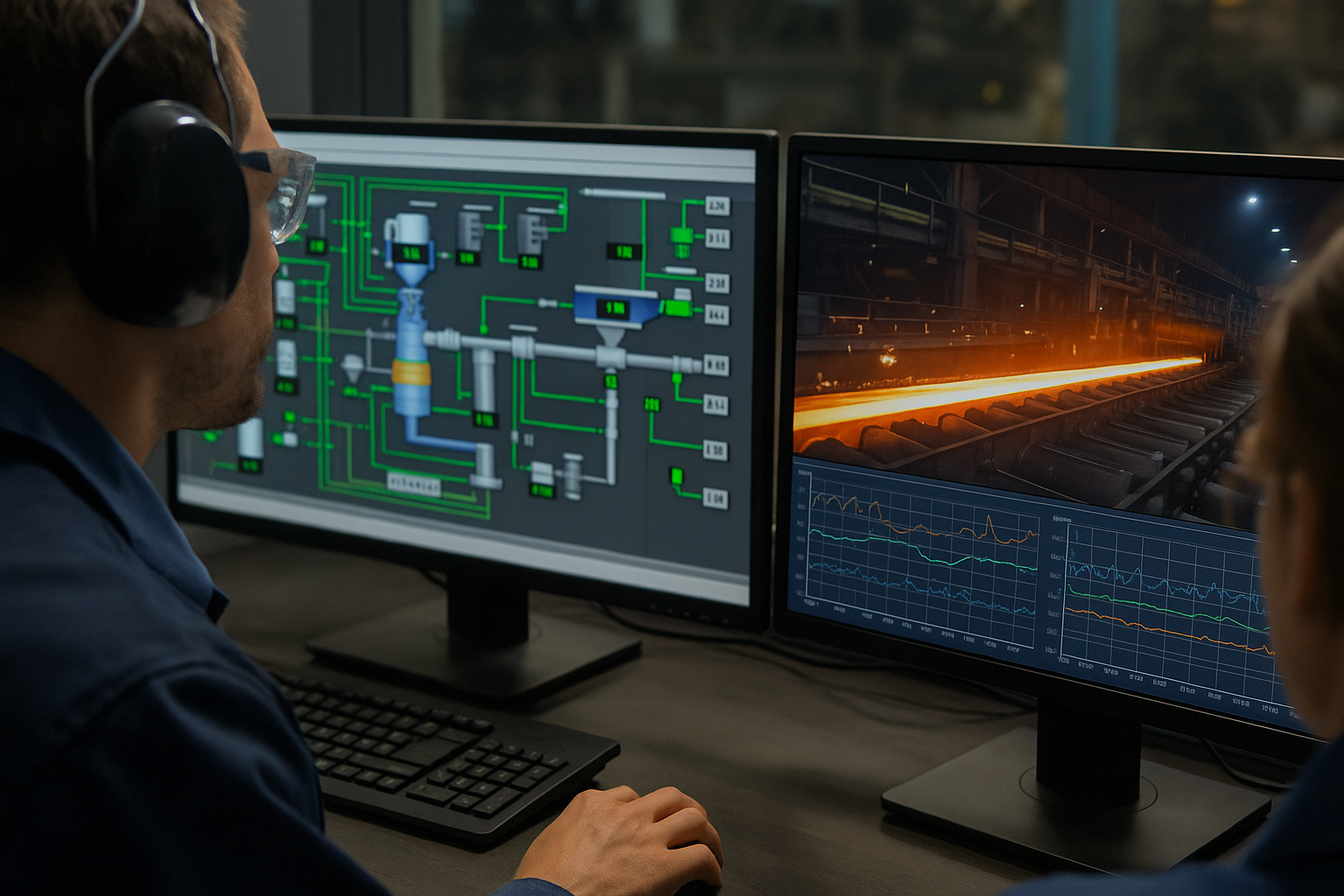
Producing high-quality steel is a complex task. Small deviations in temperature, chemical composition, pressure, or rolling force can lead to defects like cracks, warping, poor surface finish, or inconsistent mechanical properties. These flaws are costly—not just in material loss, but in customer satisfaction, rework, and regulatory compliance. Manual operations are often subject to variability, fatigue, … Read more

Influence of Chemical Elements in Steel Production: Consequences, Advantages, and Disadvantages for Final Applications

Steel is not a pure metal; it is an alloy composed of iron and various chemical elements. Each element added during steel production modifies its properties and final performance. Understanding the role of these elements is critical for choosing the right steel for each application. Improper selection can lead to product failures, increased costs, or … Read more

How Remote Monitoring Improves Steel Plant Performance and Safety

Steel manufacturing has always been labor- and equipment-intensive, requiring operators to be physically present near furnaces, rolling lines, and heavy machinery. However, advancements in industrial connectivity, sensor networks, and cloud computing are enabling a powerful shift: remote monitoring. Remote monitoring allows engineers, supervisors, and decision-makers to oversee steel plant operations from control rooms—or even off-site—by … Read more

Practical Guide to Matching Steel Types with Specific Applications

Introduction Choosing the right steel type is a strategic decision impacting durability, cost, safety, and sustainability. It requires deep knowledge of metallurgical and operational conditions. This guide provides a practical roadmap for selecting steel grades, emphasizing real-world strategies, examples, financial gains, and risk control. 1. What Is Steel Grade Matching and Why It Matters Steel … Read more

How Human-Machine Collaboration Is Reshaping Steel Plant Workflows

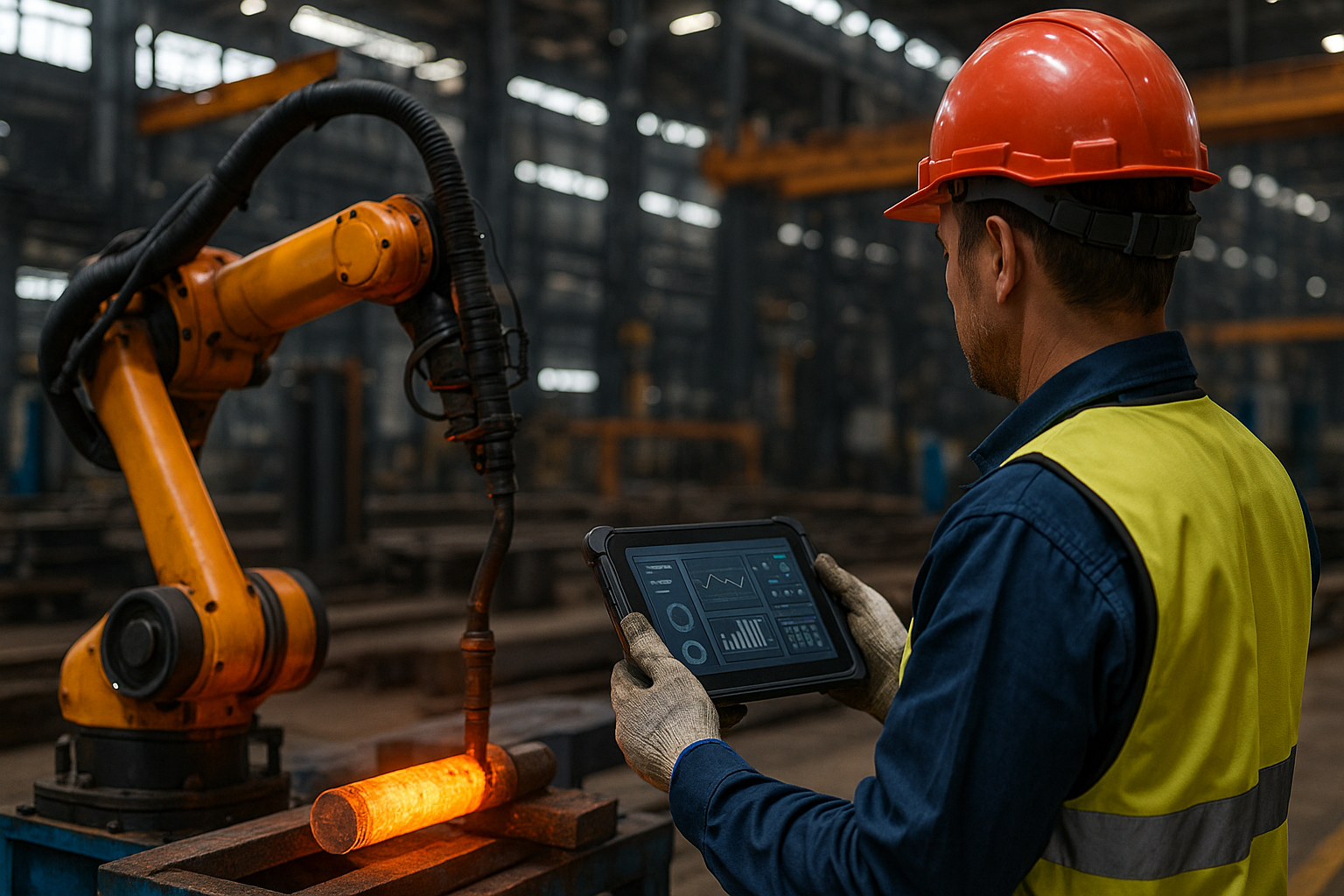
In today’s smart steel plants, the conversation has shifted from “man versus machine” to “man and machine together.” Rather than replacing humans, modern automation systems are increasingly designed to work alongside workers, augmenting their capabilities and improving overall performance. This approach—known as human-machine collaboration or collaborative automation—recognizes that while machines excel at precision, speed, and … Read more