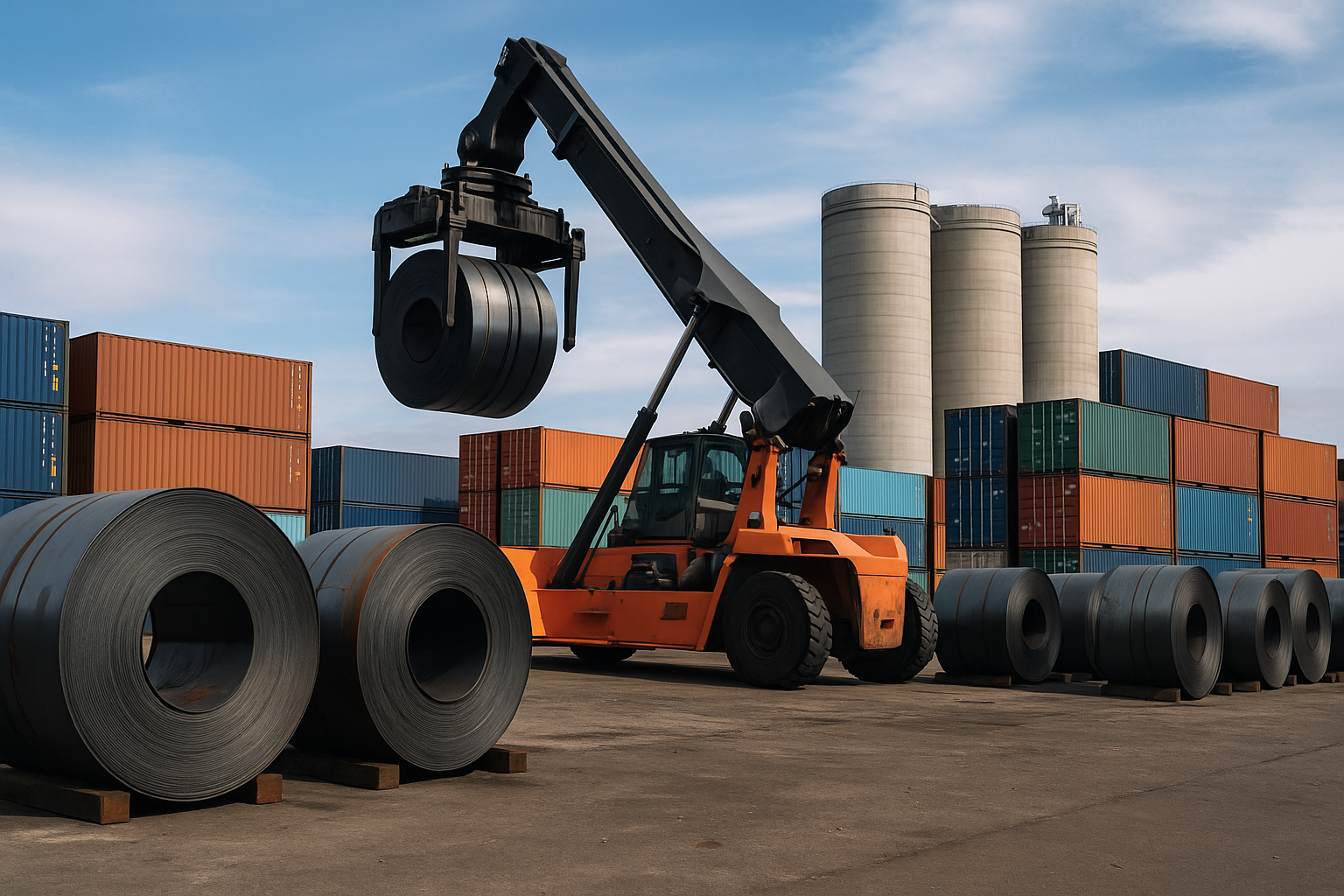
Understanding Trade Compliance in the Steel Industry

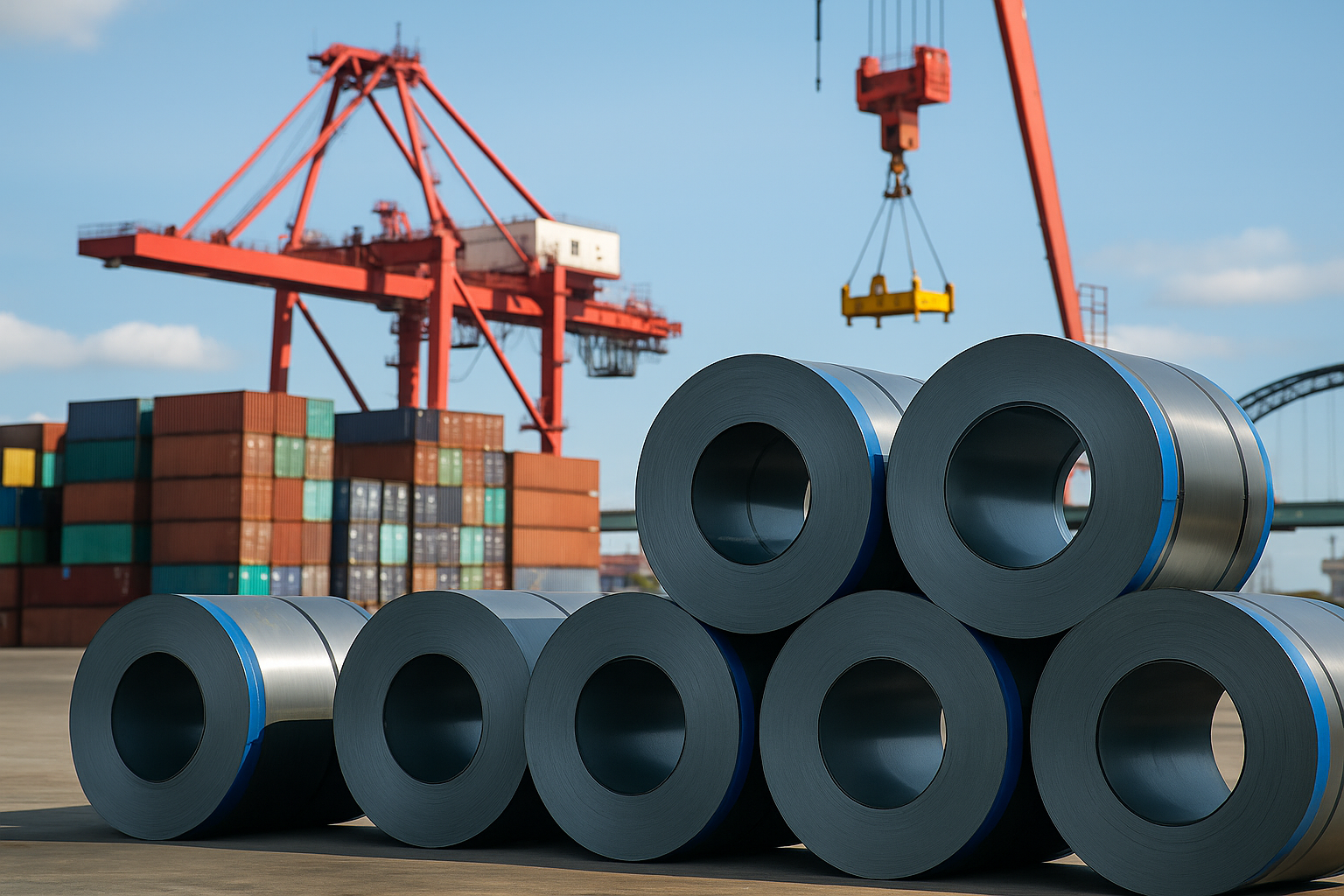
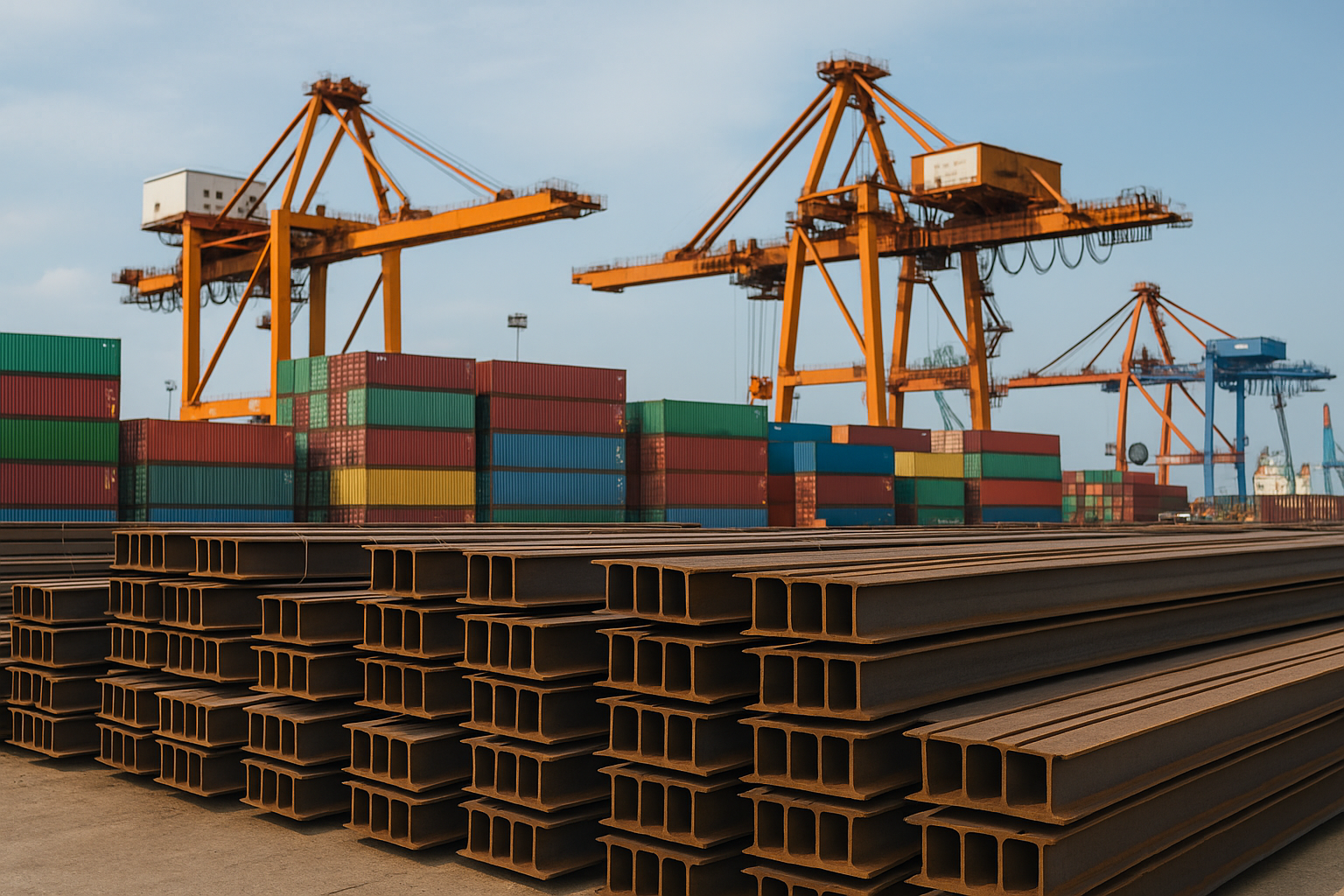
The steel industry is one of the most globally interconnected and highly regulated sectors in the world. Every coil, slab, or billet that crosses a border is subject to international laws, export controls, tariffs, certifications, and licensing requirements. Failing to meet these rules doesn’t just delay shipments—it can lead to seizures, fines, canceled deals, and … Read more

How to Interpret Steel Market Reports Like a Pro

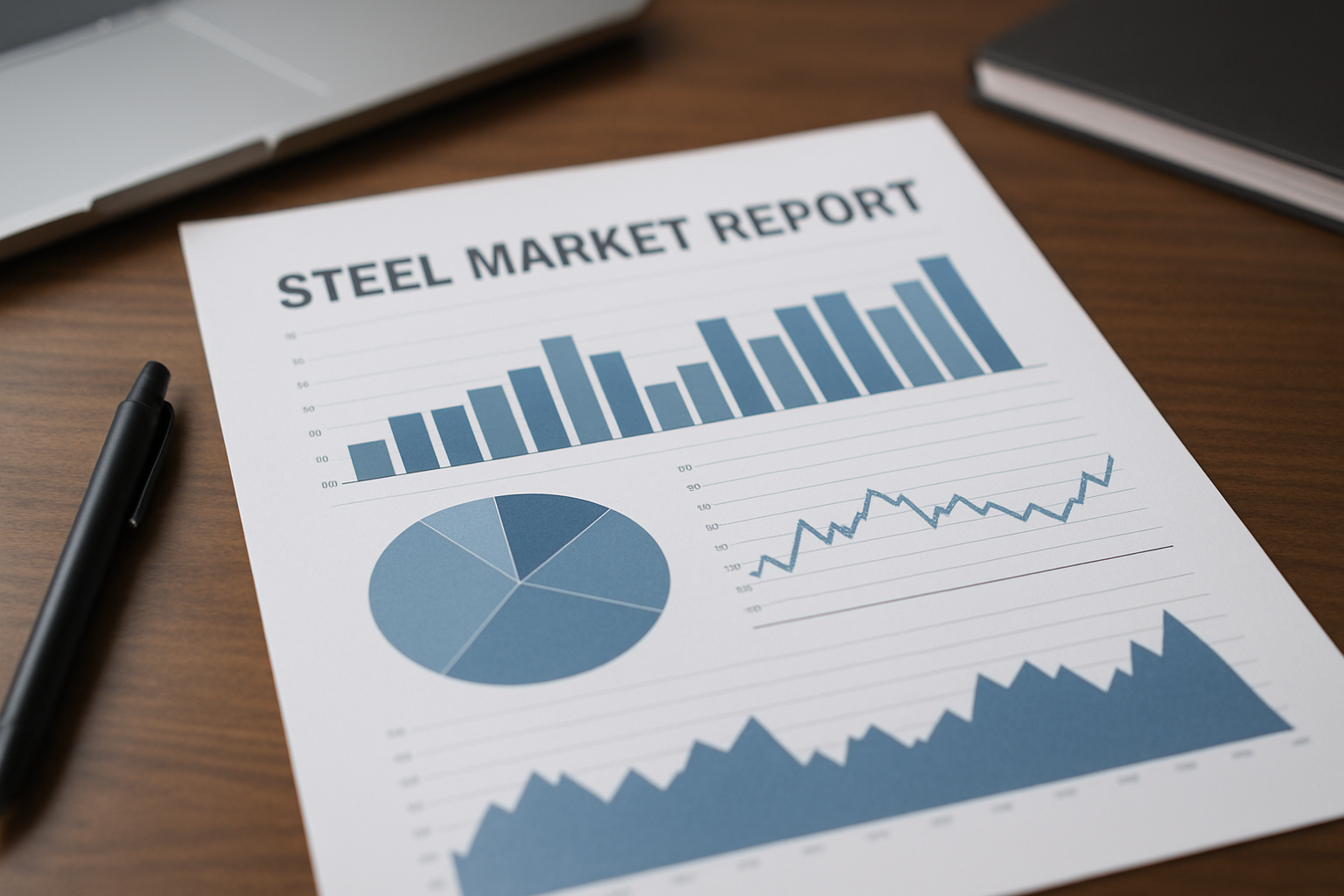
Steel market reports are rich sources of information, but for many professionals outside financial or technical roles, these documents can feel overwhelming. Filled with charts, pricing indexes, production numbers, and economic indicators, they require some interpretation to translate into real-world business decisions. In this article, we break down the key sections of a typical steel … Read more

Competitors of Steel as an Industrial Raw Material: A Detailed Comparison

Introduction Steel has powered industry for over 150 years due to its strength, affordability, and versatility in buildings, vehicles, and machinery. In recent decades, industries have adopted alternatives like aluminum, polymers, and composites to meet weight, cost, and durability demands. This article analyzes steel’s competitors, comparing advantages, real-world use cases, and when alternatives may offer … Read more

Building Strategic Partnerships to Expand Steel Exports

Steel is a capital-intensive, logistically complex, and highly competitive industry. To expand into new markets—especially those with regulatory, cultural, or infrastructure barriers—going it alone can be both risky and inefficient. That’s where strategic partnerships come in. From local distributors to logistics providers, EPC contractors to government agencies, building the right alliances can help exporters reach … Read more

How Equipment Lifecycle Management Enhances Efficiency in Steel Plants

Steel production is built on massive, high-value machinery: blast furnaces, electric arc furnaces, casting lines, rolling mills, and heavy-duty motors. These assets represent enormous capital investment and are central to continuous operations. Any downtime can result in costly production delays, safety incidents, or quality issues. This is why Equipment Lifecycle Management (ELM) is crucial. Instead … Read more

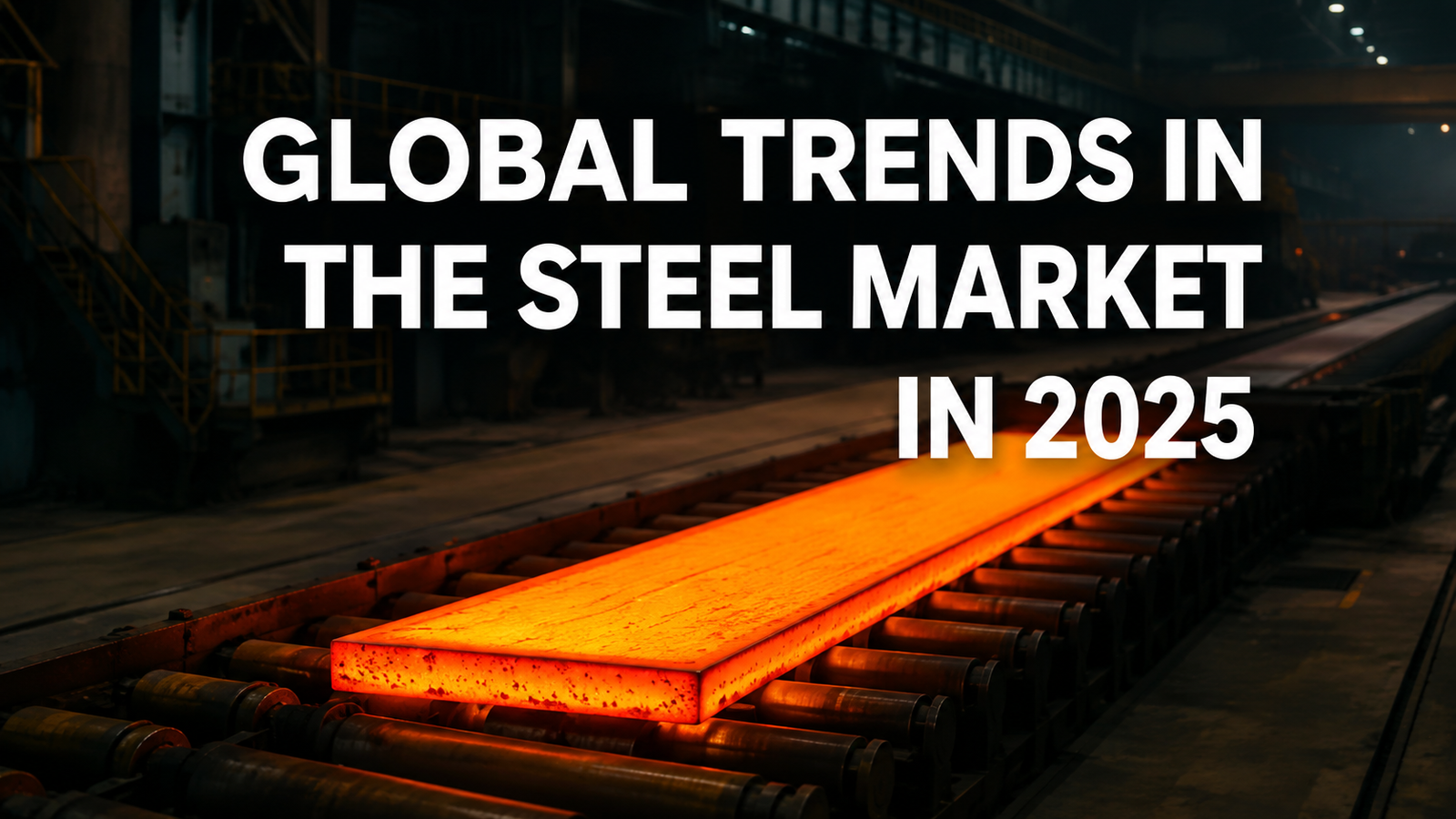
Global Trends in the Steel Market in 2025

The steel industry is undergoing major shifts in 2025. Global economic recovery, geopolitical shifts, environmental policies, and technological advancements are transforming how steel is produced, traded, and consumed. For industry professionals, staying ahead of these trends isn’t just strategic—it’s essential for survival and growth. In this article, we explore the key movements that are shaping … Read more

What Influences the Global Demand for Steel?

Global steel demand is a critical barometer of industrial health and economic growth. From high-rise buildings and bridges to automobiles and washing machines, steel is woven into the fabric of modern life. But demand for steel isn’t consistent across time or geography—it shifts with urbanization patterns, technology adoption, economic cycles, and even climate policy. In … Read more

How Supply Chain Optimization Reduces Costs in the Steel Industry

In steel manufacturing, raw materials must arrive on time, production must run continuously, and finished products must reach customers without delays. When any part of this chain breaks down—whether due to poor planning, delayed deliveries, or excess inventory—costs rise quickly. With global markets growing more complex and customer expectations higher than ever, supply chain optimization … Read more

Integrating Sustainable Steel into Construction: A New Standard for Green Building

The construction industry is one of the largest consumers of steel globally, accounting for over 50% of annual demand. Yet, as the world accelerates toward more environmentally conscious development, the need for sustainable building materials—especially steel—is becoming critical. From high-rises to bridges, integrating sustainable steel into construction is reshaping how projects are designed, sourced, and … Read more

How Real-Time Data Monitoring Is Improving Steel Plant Operations

Steel production is a continuous and complex process, with multiple variables influencing product quality, energy consumption, equipment reliability, and worker safety. Historically, many steel plants relied on batch reports or manual logs to track performance. Today, that’s no longer sufficient. Real-time data monitoring transforms how steel plants operate—providing immediate visibility into every aspect of production. … Read more