Innovative Techniques to Reduce the Weight of Steel Final Products Without Increasing Costs

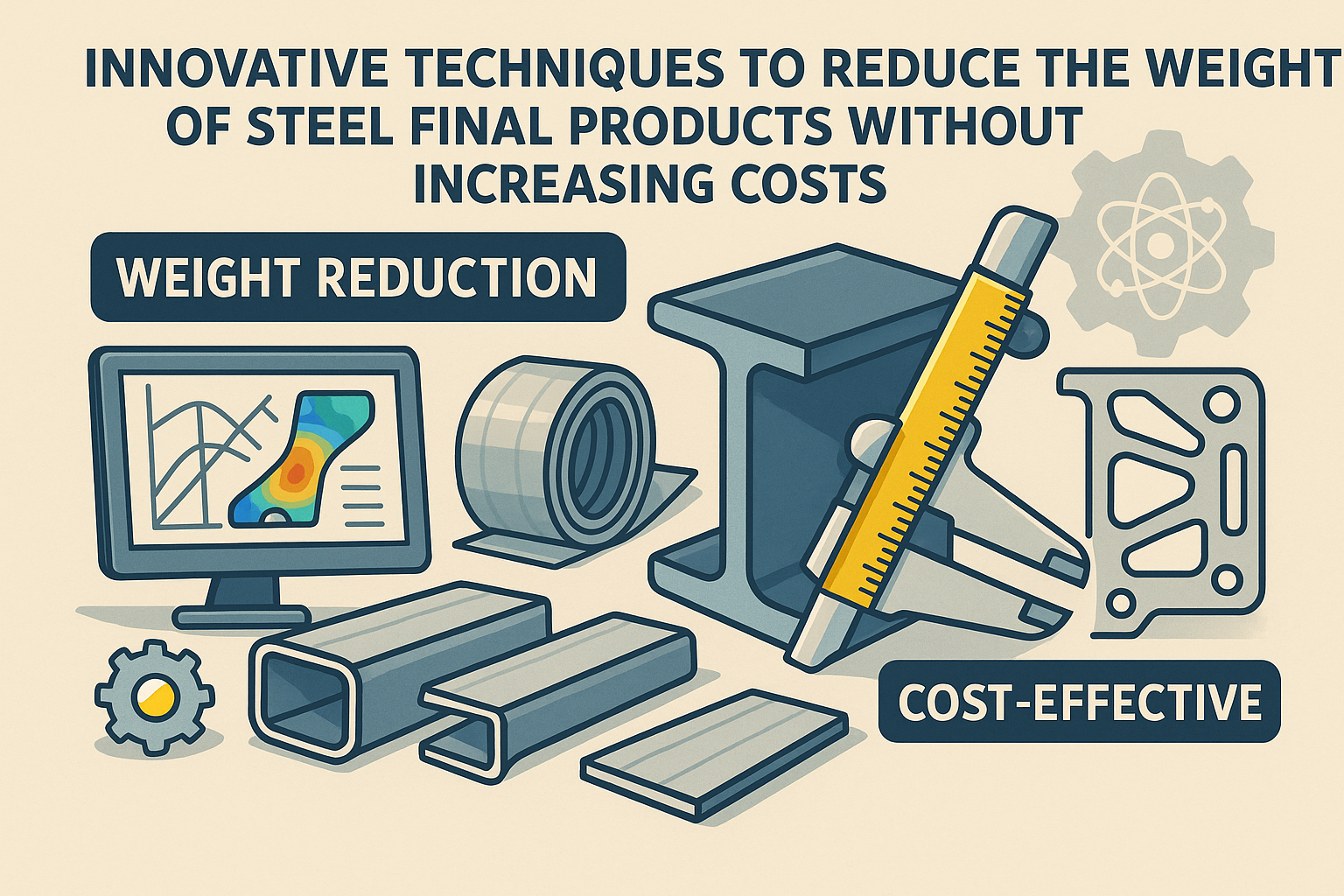
Reducing the weight of steel products without increasing costs is a major goal for many industries.This practice leads to gains in logistics, energy efficiency, and competitiveness. Innovative techniques have emerged to optimize weight without compromising quality or cost-efficiency.This article explores practical methods, steel types, and industrial results achieved through weight reduction. We provide data-backed examples … Read more

How Process Automation Improves Quality and Consistency in Steel Production

Producing high-quality steel is a complex task. Small deviations in temperature, chemical composition, pressure, or rolling force can lead to defects like cracks, warping, poor surface finish, or inconsistent mechanical properties. These flaws are costly—not just in material loss, but in customer satisfaction, rework, and regulatory compliance. Manual operations are often subject to variability, fatigue, … Read more

Educating the Next Generation of Engineers: The Role of Sustainable Steel in Academic Curricula

The transformation of the steel industry is driven not only by technological innovation or strict environmental regulations but also by education. As sustainable steel becomes increasingly essential in construction, manufacturing, and infrastructure, it’s critical that academic institutions prepare future engineers to embrace this shift. Universities, technical schools, and research centers play a pivotal role in … Read more

Recent Mergers and Acquisitions in the Steel Sector and Their Global Impact

Mergers and acquisitions (M&A) are reshaping the global steel industry. In recent years, these strategic consolidations have been driven by the need to reduce overcapacity, improve operational efficiency, meet environmental goals, and strengthen global competitiveness. As the steel market becomes more dynamic and sustainability-focused, M&A deals are becoming central to survival and growth. In this … Read more

How to Analyze Steel Import and Export Data for Business Strategy

Steel trade is one of the most visible indicators of global industrial activity. Tracking who is importing or exporting steel—and in what volume—offers valuable insights into supply chains, production cycles, pricing, and competitive positioning. For businesses in the steel ecosystem, analyzing trade data is not just academic; it directly informs procurement decisions, expansion plans, risk … Read more

Top Global Players in the Steel Industry and Their Market Share

The global steel industry is vast, competitive, and dominated by a few key players whose production capacities, strategic decisions, and regional influence help shape the direction of the market. Understanding who these major producers are—and how they operate—offers critical insight into pricing trends, innovation pathways, trade flows, and future growth areas. This article explores the … Read more

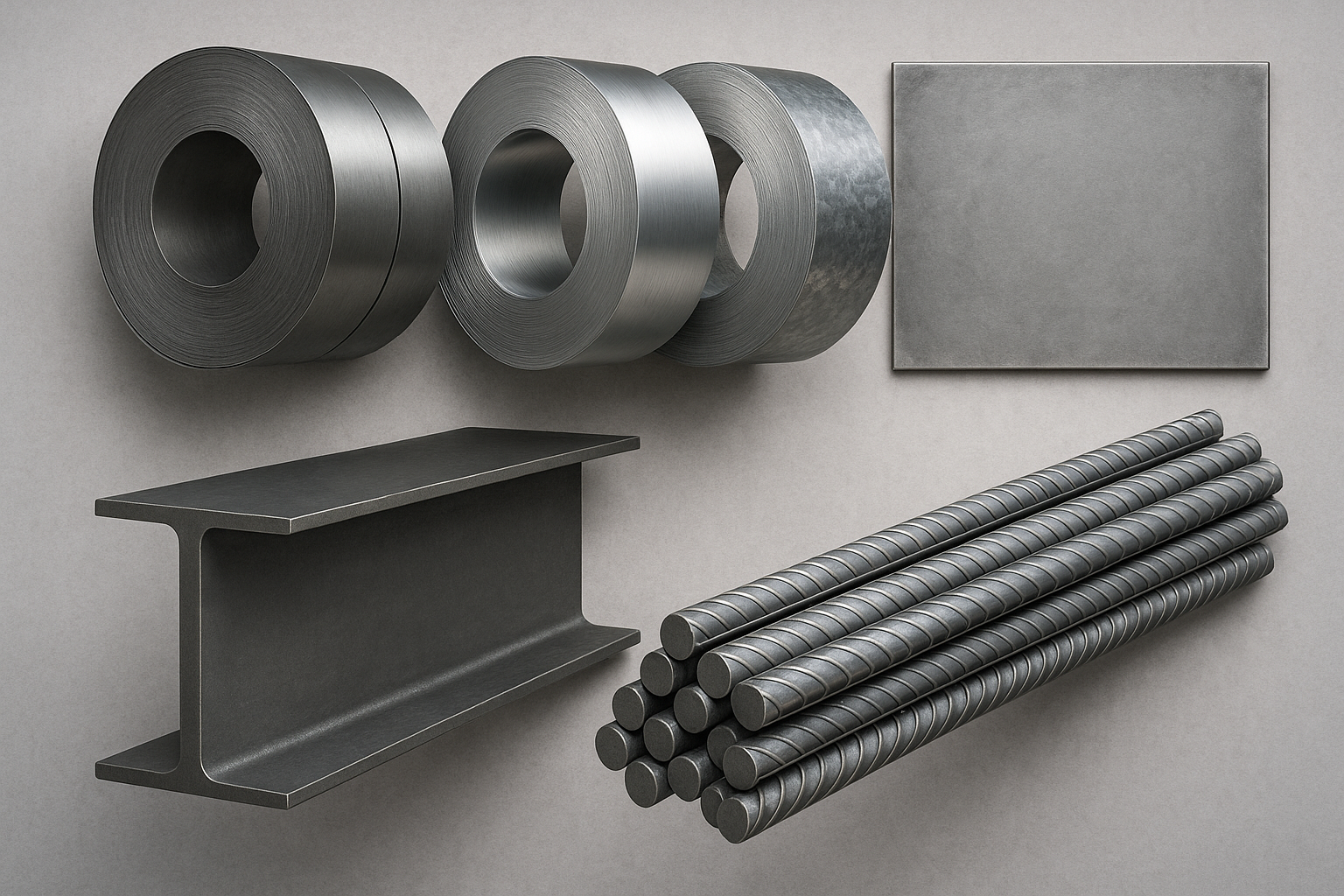
What Are the Most Commonly Traded Steel Products Globally?

Steel is one of the most versatile and widely traded commodities in the world. From construction sites to car factories, shipyards to power plants, its applications are nearly endless. But not all steel is created—or traded—equally. The global market revolves around a set of core products that meet the needs of industries in every corner … Read more

Influence of Chemical Elements in Steel Production: Consequences, Advantages, and Disadvantages for Final Applications

Steel is not a pure metal; it is an alloy composed of iron and various chemical elements. Each element added during steel production modifies its properties and final performance. Understanding the role of these elements is critical for choosing the right steel for each application. Improper selection can lead to product failures, increased costs, or … Read more

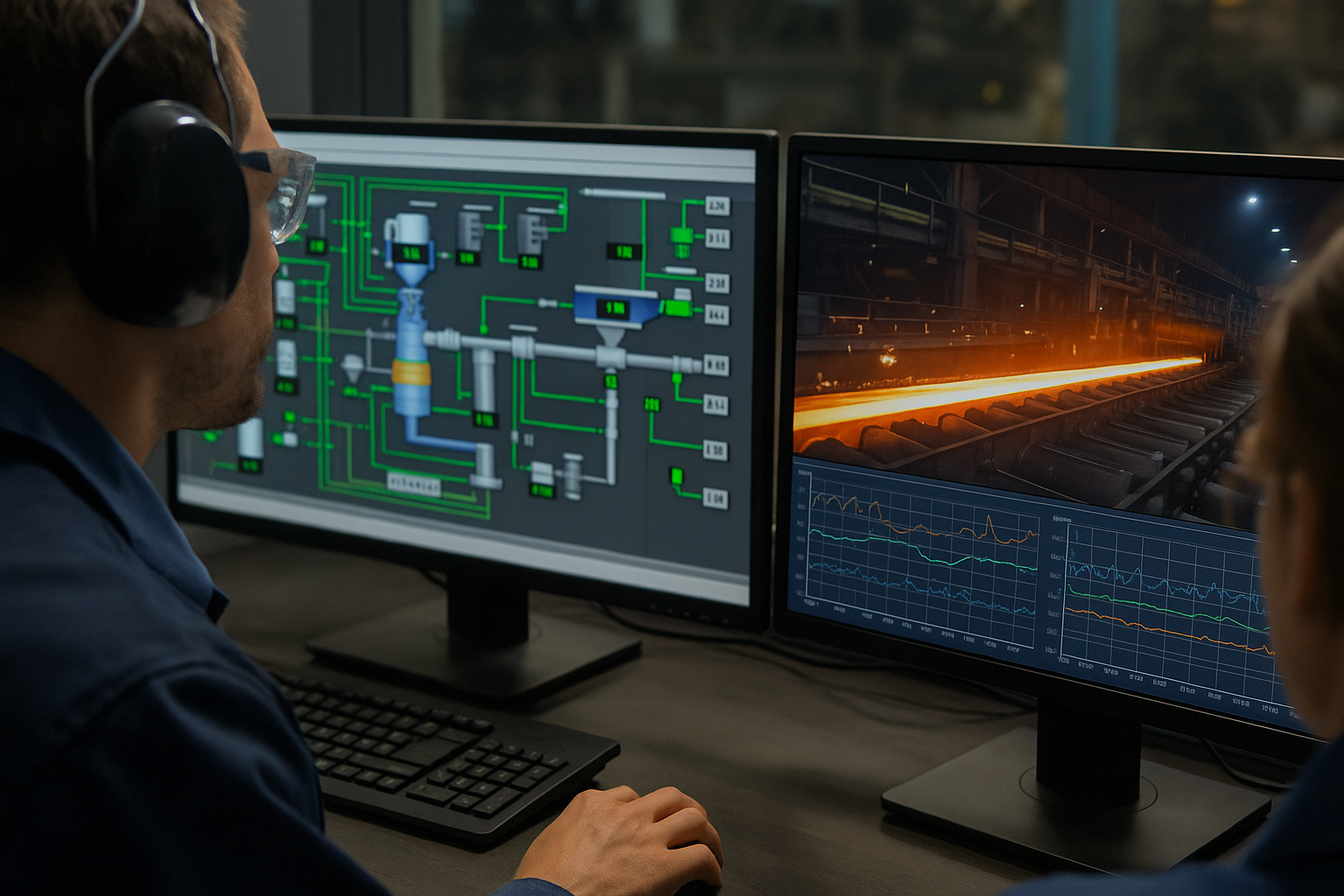
How Remote Monitoring Improves Steel Plant Performance and Safety

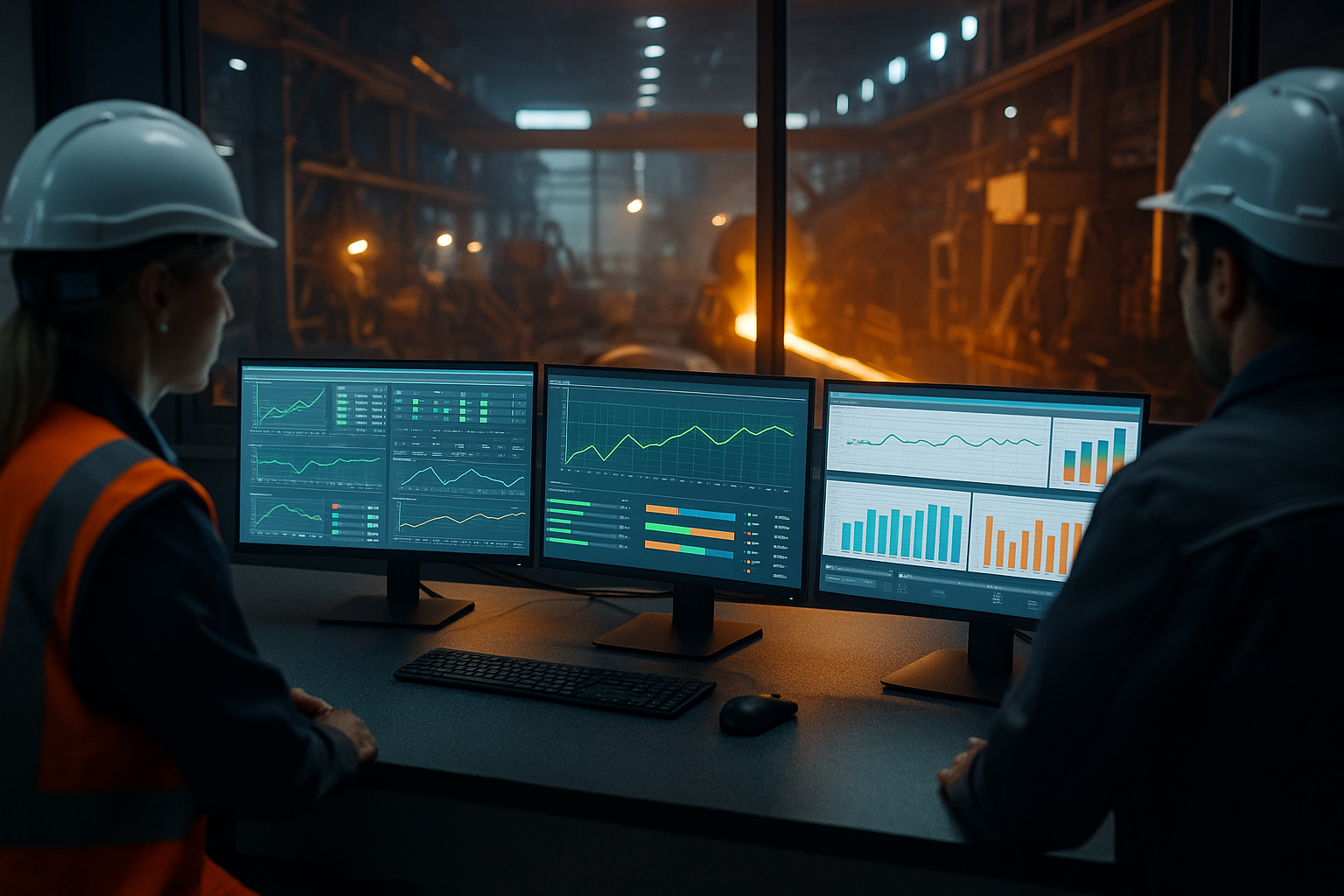
Steel manufacturing has always been labor- and equipment-intensive, requiring operators to be physically present near furnaces, rolling lines, and heavy machinery. However, advancements in industrial connectivity, sensor networks, and cloud computing are enabling a powerful shift: remote monitoring. Remote monitoring allows engineers, supervisors, and decision-makers to oversee steel plant operations from control rooms—or even off-site—by … Read more

How Preventive Maintenance Reduces Operational Costs in Steel Plants

In a steel plant, where production runs 24/7 and machinery operates under intense loads and extreme temperatures, unplanned downtime can be catastrophic. Every hour of lost production due to equipment failure not only halts output but also increases energy waste, labor inefficiencies, and material scrap. Preventive maintenance (PM) is a proven strategy to minimize these … Read more