How Downtime Tracking Helps Reduce Hidden Production Costs in Steel Manufacturing

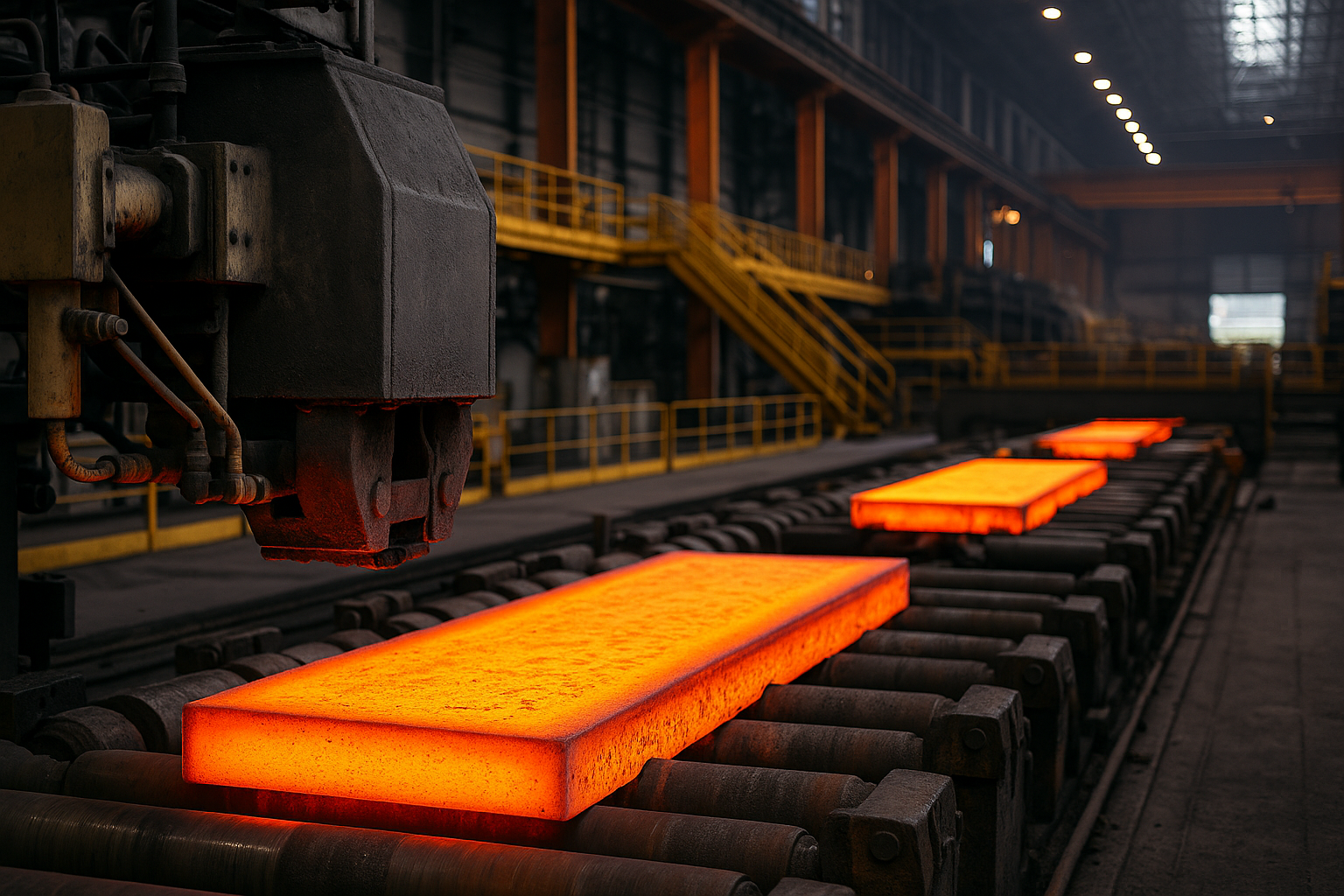
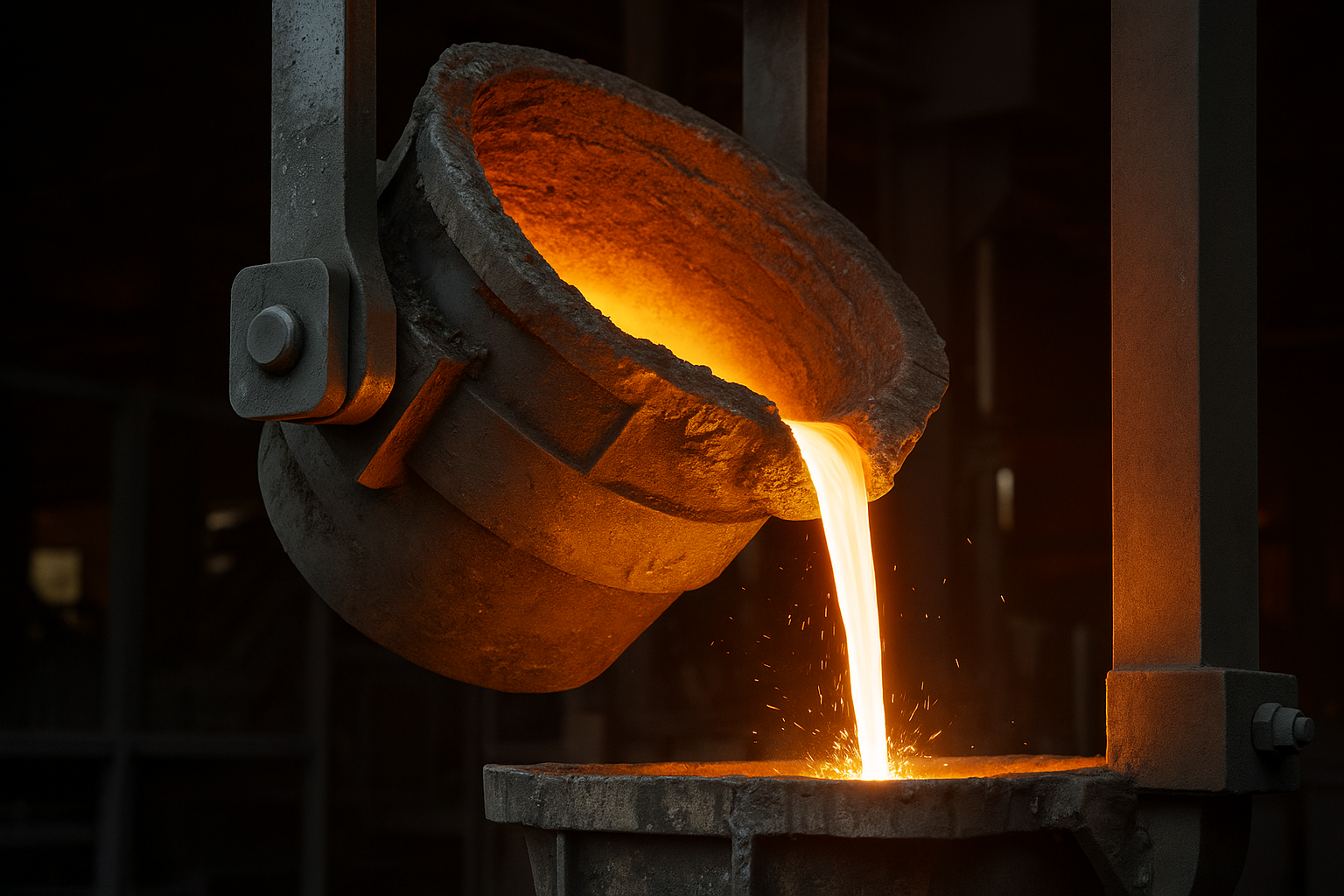
In a 24/7 steel manufacturing environment, downtime—planned or unplanned—represents more than just lost time. It means missed production targets, delayed deliveries, increased energy costs, underutilized labor, and even quality degradation. The financial impact of downtime is often underestimated because many of its costs are hidden: lost opportunities, resource waste, and long-term wear on equipment. Downtime … Read more

How Data and Analytics Are Shaping the Modern Steel Market

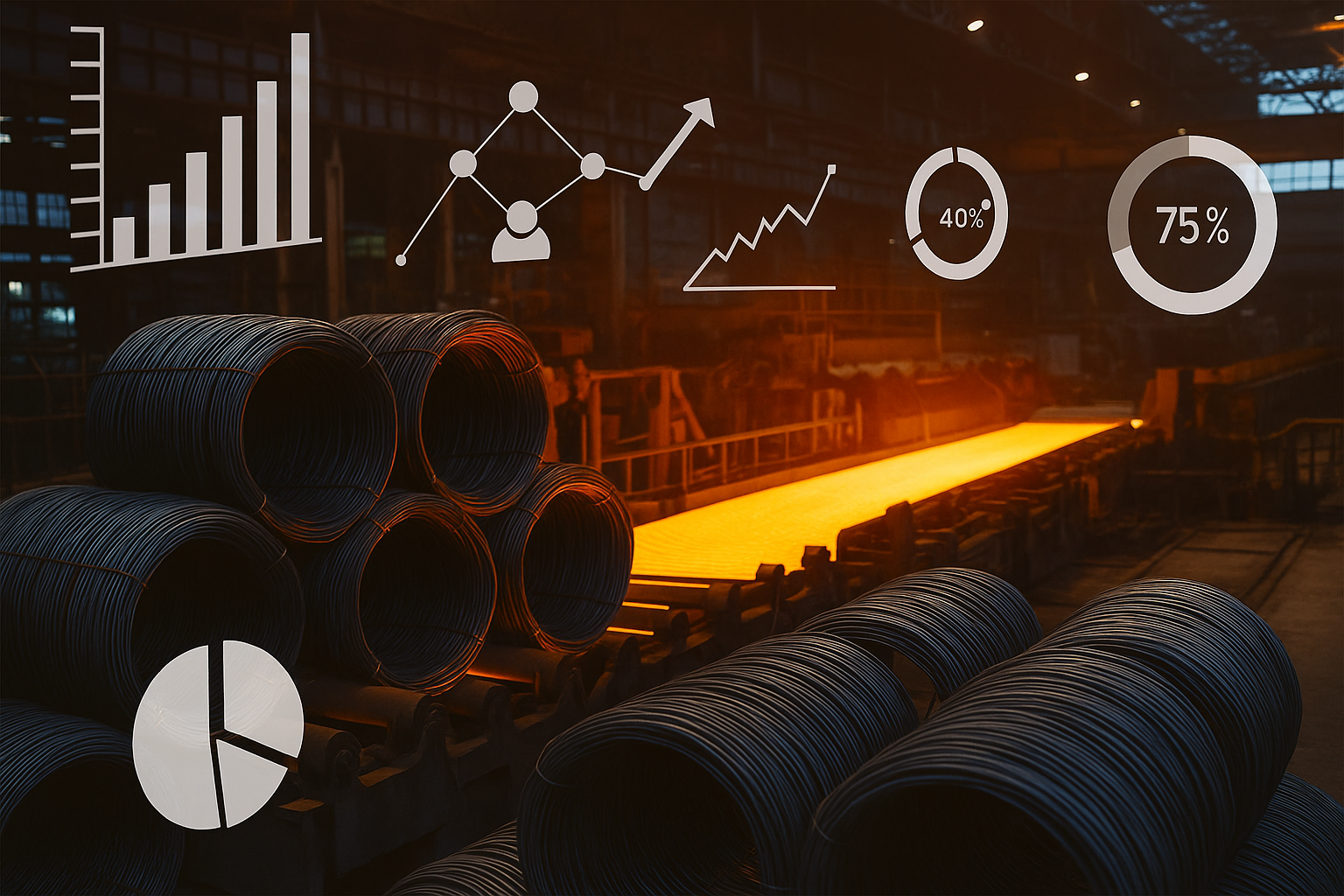
In the age of Industry 4.0, steel is no longer just forged in furnaces—it’s refined through data. Analytics, artificial intelligence (AI), and machine learning (ML) are playing a growing role in how the steel market is monitored, predicted, and optimized. This digital revolution is transforming everything from production forecasting to pricing models and customer behavior … Read more

Understanding the Role of Steel in Global Infrastructure Projects

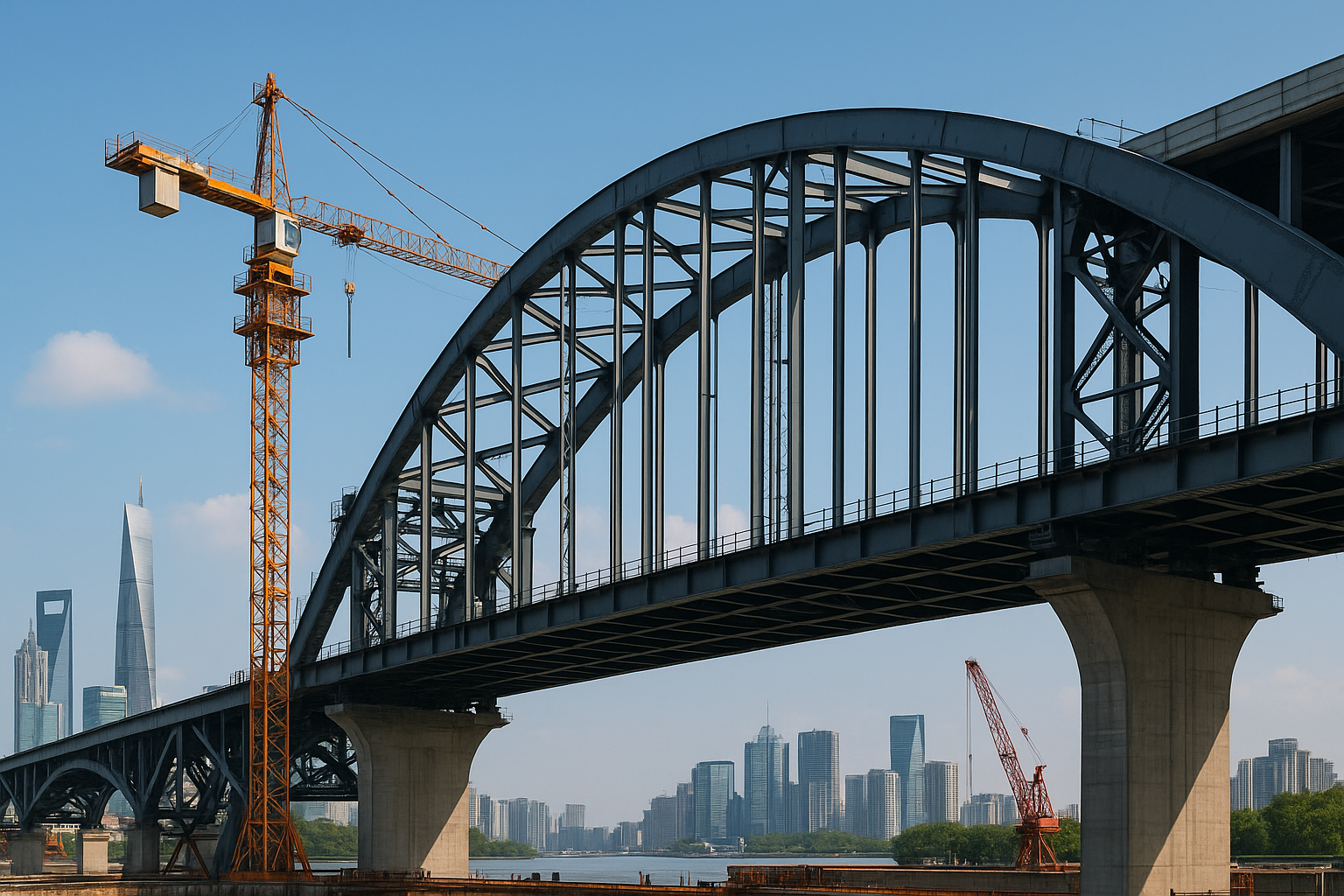
Steel is the skeleton of modern civilization. From bridges and highways to airports, rail systems, power grids, and skyscrapers, infrastructure around the world depends on steel’s strength, flexibility, and recyclability. It is one of the most vital materials in any country’s development plan and a key driver of economic growth and industrial resilience. In this … Read more

How Centralized Procurement Drives Cost Efficiency in Steel Plants

Procurement in a steel manufacturing facility is anything but simple. A single plant sources thousands of items—from raw materials and spare parts to safety gear, chemicals, and services. If purchasing is spread across departments or locations without a unified strategy, costs quickly spiral due to inconsistent pricing, duplicated orders, poor vendor performance, and lack of … Read more

Emerging Steel Markets: Opportunities and Risks for Exporters

As the global economy shifts and industrial demand evolves, emerging markets are becoming increasingly significant in the international steel trade. These markets, while full of promise, present a complex mix of economic, logistical, and regulatory challenges that exporters must navigate with precision. For businesses aiming to expand their reach, understanding both the opportunities and risks … Read more

Break Free from Low-Carbon, Low-Strength Steels: A Practical Guide for Industrial Optimization

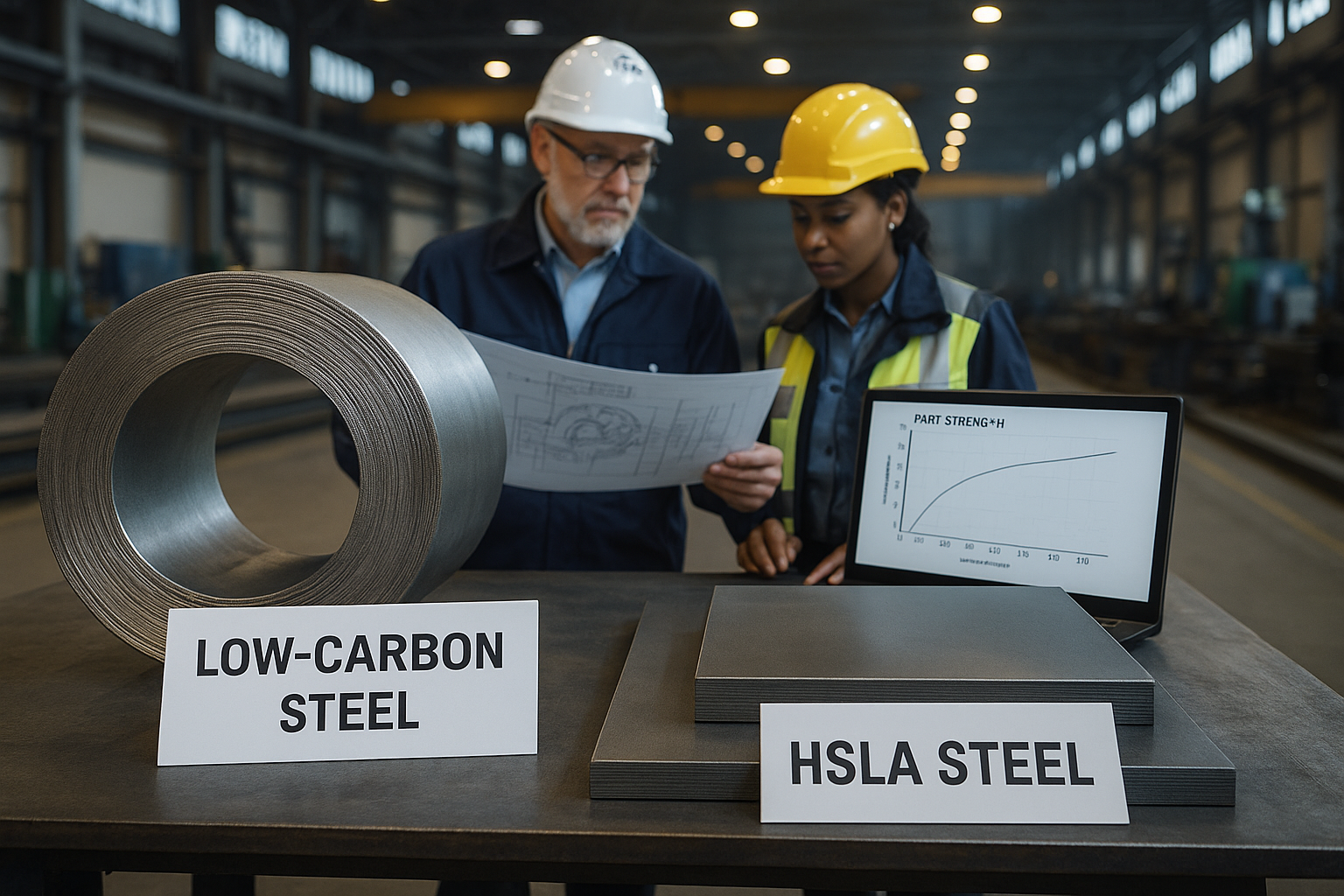
In industrial manufacturing, low-carbon and low-strength steels are widely used due to their affordability and ease of processing. However, relying exclusively on these materials can limit both technical performance and financial gains. This guide explores high-performance alternatives that deliver superior strength, durability, efficiency, and environmental benefits—across sectors like automotive, agriculture, construction, furniture, and metalworking. Why … Read more

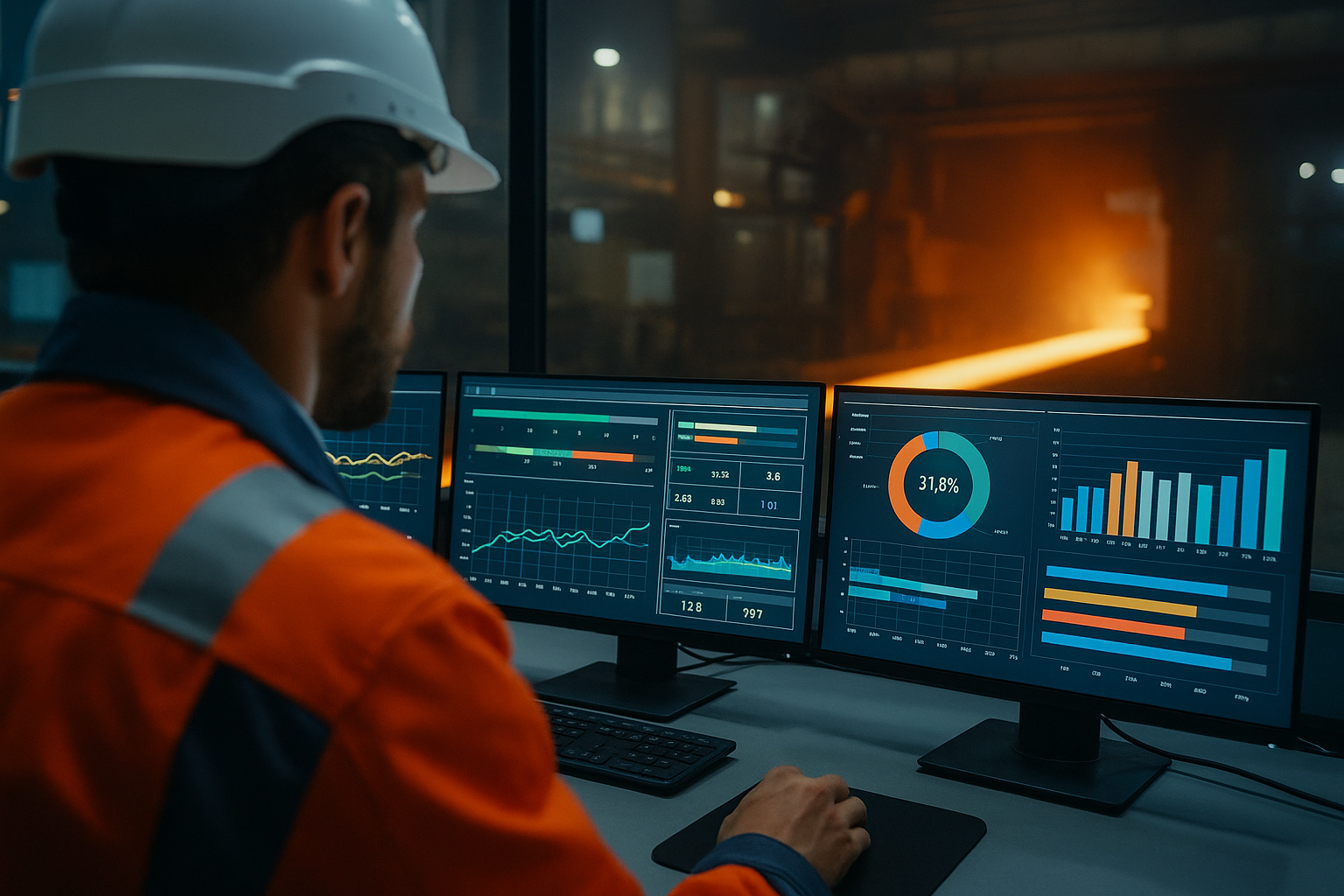
How Digital Dashboards Help Steel Plants Make Smarter Decisions

Modern steel production is a fast-paced, capital-intensive, and highly complex process. Each department—from melting to rolling, quality control to maintenance—generates massive amounts of data every hour. Without an efficient way to collect, visualize, and interpret this data, opportunities for improvement are missed and small issues become costly problems. Digital dashboards offer a solution. These real-time … Read more

How Regional Steel Agreements Affect Export Opportunities

While global trade deals once dominated steel flows, today, regional steel agreements are playing an increasingly important role. These agreements—often structured as free trade agreements (FTAs), customs unions, or economic partnerships—reshape how steel is taxed, moved, and regulated within and between neighboring countries or blocs. For steel exporters, understanding and leveraging these regional frameworks is … Read more

How Predictive Maintenance Increases Efficiency in Steel Plants

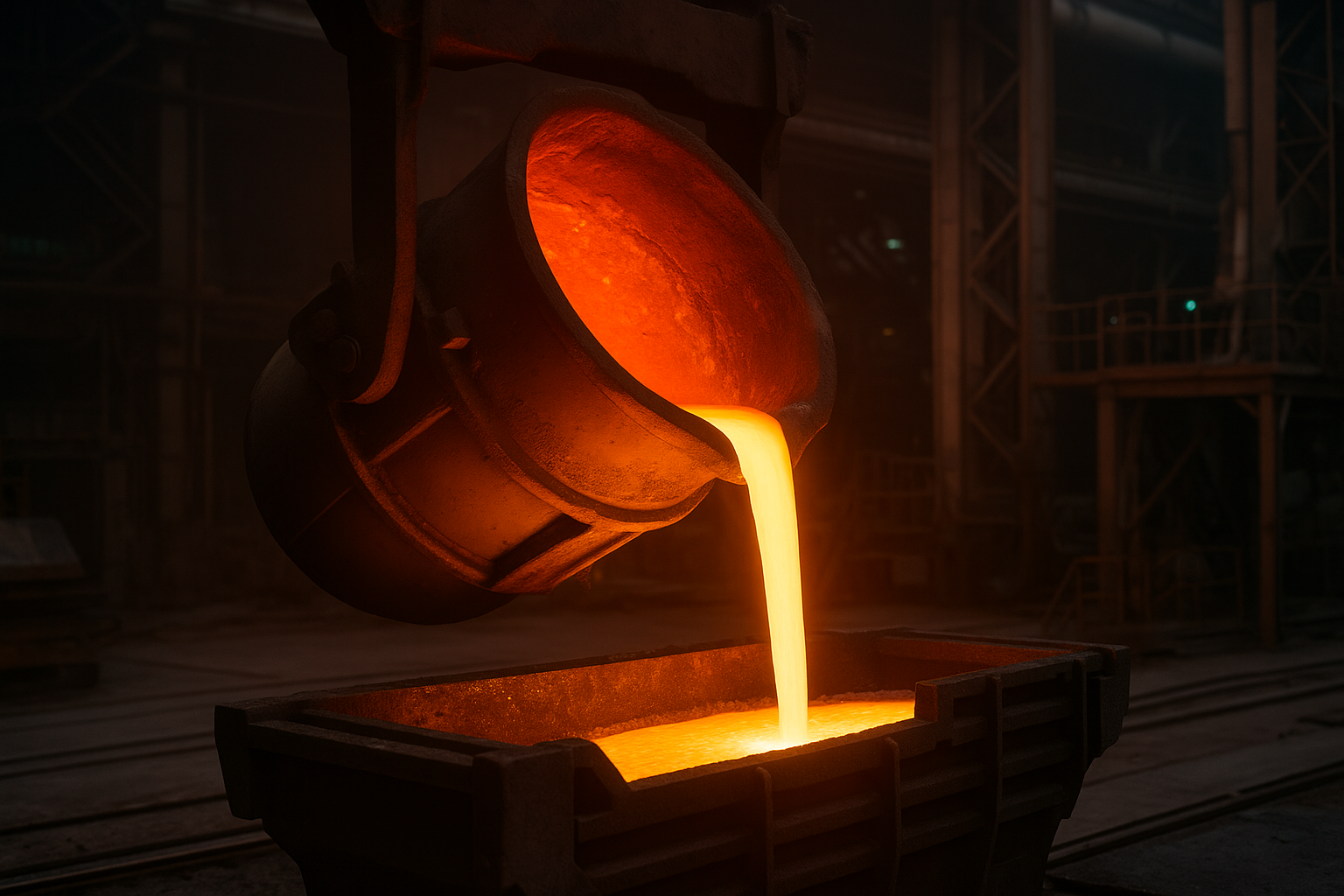
Steel plants rely on a network of massive, interdependent machines operating under extreme heat, pressure, and load. When a single piece of critical equipment—like a furnace blower, casting mold, or rolling mill—fails unexpectedly, it can halt production lines, damage downstream processes, and lead to severe revenue losses. In a global steel market that’s more competitive … Read more